
Virginia's Musical Migration: When Mountain Songs Met Music City
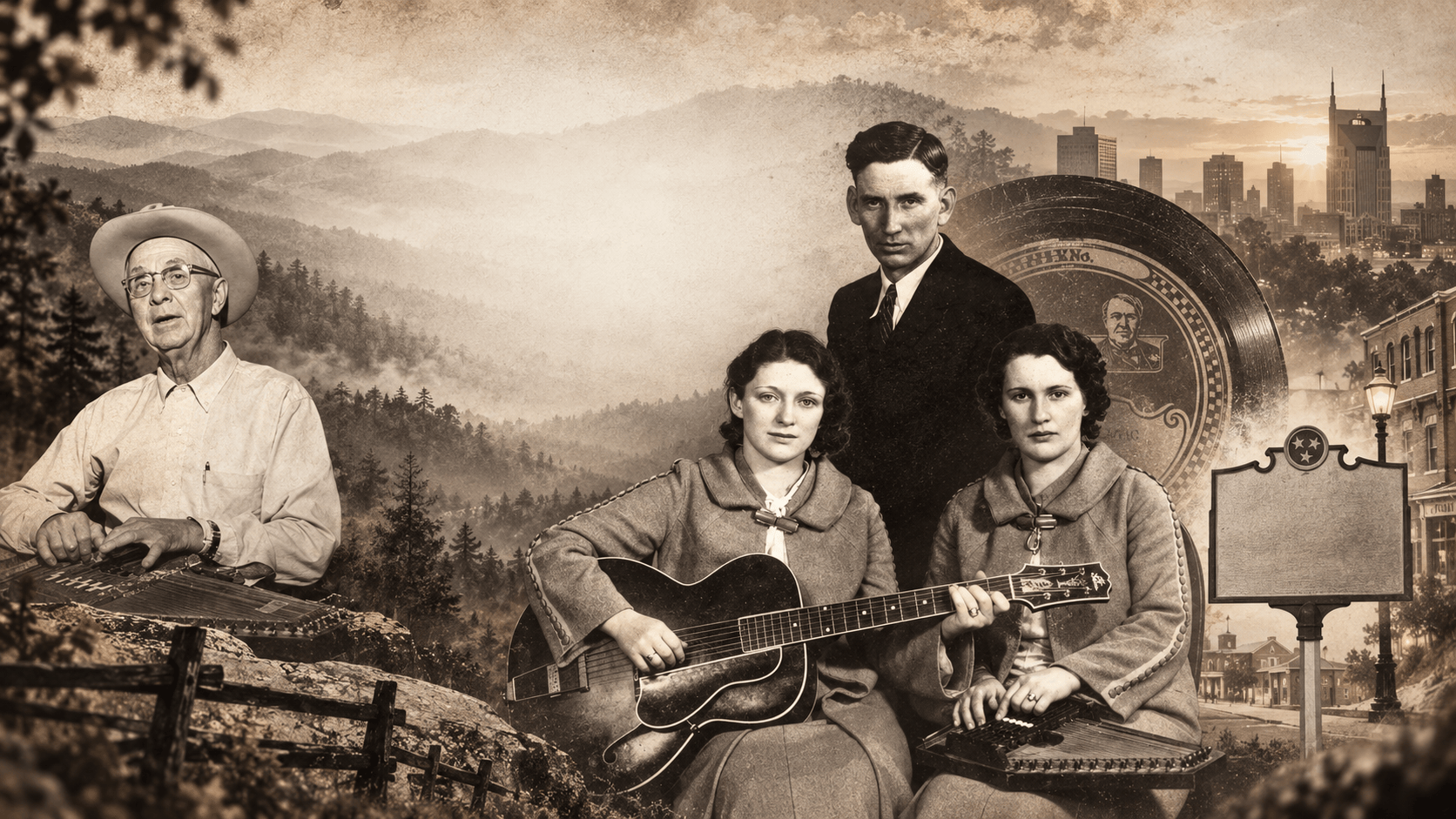
Long before Nashville became Music City, the mountains were already singing. Across Southwest Virginia and the greater Appalachian region, music lived in kitchens, churches, front rooms, schoolhouses, community gatherings, and on porches after the work was done. Songs were carried from one generation to another long before anyone thought about record contracts, radio charts or arenas.
There were old narrative ballads brought across the Atlantic and changed over generations in America. There were hymns and shape-note traditions. There was fiddle music. African American musicians profoundly influenced the region's sound, including through the banjo, an instrument of African origin that became inseparable from American old-time, bluegrass, and country music. Gospel, blues and popular music all entered the mix as well. Appalachia was never one isolated musical tradition. It was a meeting place.
And eventually, that music began traveling. Not away from Appalachia so much as out from it.
Before There Was Music City, There Was Mountain Music
Today, Nashville is recognized around the world as the center of country music. But the sound that eventually arrived there had been developing for generations in places far beyond Tennessee's capital.
Virginia played an especially important role.
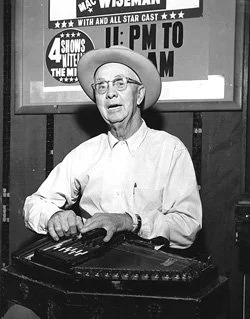
Ernest "Pop" Stoneman was born in Monarat, Virginia, and was already making commercially successful recordings during country's earliest years. The Carter Family came directly from the mountains of Southwest Virginia: A.P. Carter from Maces Spring, Sara Carter from Flat Woods and Maybelle Carter from Nickelsville.
These weren't Nashville musicians trying to sound rural. They were mountain musicians. They carried the sound of communities where music remained connected to family, faith, hardship, storytelling and place. That distinction matters because the story of country music isn't simply about a business that developed in Nashville. It is also about the places that supplied Nashville with something worth hearing.
Bristol Put the Mountains on Record

Then came 1927. Record producer Ralph Peer arrived in Bristol, on the Virginia-Tennessee line, with equipment from the Victor Talking Machine Company and an advertisement seeking regional musicians.
Between July 25 and August 5, 19 performers or groups recorded 76 songs during what became known as the Bristol Sessions. Among them were the Carter Family, Jimmie Rodgers and Ernest Stoneman. The sessions launched the recording careers of the Carters and Rodgers and helped demonstrate that this rural music had a national commercial audience.
Congress would later recognize Bristol as the Birthplace of Country Music. But perhaps the most important thing about Bristol is what it revealed. The music was already here. The recording industry had come looking for it.
The Carter Family Carried Virginia With Them
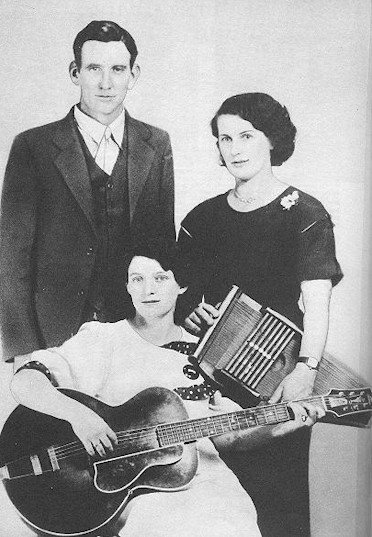
Few families illustrate the road between Southwest Virginia and Nashville better than the Carters.
A.P., Sara and Maybelle Carter became known as the First Family of Country Music. Their harmonies, repertoire and instrumental techniques became foundational to the genre. Maybelle Carter's influential guitar approach helped establish a new role for the guitar in country and roots music, while A.P. collected and arranged songs that became enduring standards.
And the story didn't stop with the original trio.
After the original Carter Family disbanded, Mother Maybelle continued performing with daughters Helen, Anita and June. The family worked its way through radio stations in places including Richmond and Knoxville before eventually moving to Nashville.
In 1950, Mother Maybelle and the Carter Sisters joined the Grand Ole Opry.
Think about that journey for a moment.
A musical tradition rooted around places like Maces Spring and Nickelsville, Virginia, had traveled from mountain homes to early recording sessions, across radio airwaves and eventually onto country's most important stage.
And through June Carter Cash, that Southwest Virginia lineage would become even more deeply woven into Nashville history.
Nashville Gave Mountain Music a Bigger Microphone
Nashville's contribution shouldn't be diminished. It built something extraordinary around this music.
WSM began broadcasting in Nashville in 1925. On November 28 of that year, George D. Hay launched the program that evolved into the Grand Ole Opry. By the middle of the twentieth century, the Opry, the Ryman Auditorium, record labels, publishers, session musicians, and studios had turned Nashville into an unmatched center for country music.
Nashville provided infrastructure.
Radio could carry a mountain song hundreds of miles. Records could carry it across the country. Publishing houses could turn songs into livelihoods. Stages could transform regional performers into national artists.
The mountains supplied much of the vocabulary. Music City built an amplifier. And once those two worlds met, neither was quite the same again.
Southwest Virginia Never Stopped Making Music

The musical migration didn't empty the mountains of their sound.
Far from it. The Stanley Brothers emerged from mountainous Southwest Virginia and became foundational figures in bluegrass. Ralph Stanley began his professional career in 1946 playing with his brother Carter in the Clinch Mountains, eventually carrying that unmistakable high, lonesome sound to audiences around the world.
Nearly eighty years later, that influence is still being formally recognized: the Stanley Brothers were selected as members of the Country Music Hall of Fame's Class of 2026.
The lineage runs through the Carter Family, the Stonemans, the Stanleys and countless musicians whose names never appeared on a marquee.
That's part of what makes Appalachian music different.
Its history isn't contained entirely in famous people.
It survives because people keep playing it.
Now the Road Runs Both Ways
For generations, young musicians from Appalachia looked toward Nashville. They still do. Nashville remains one of America's great creative centers, filled with songwriters, musicians, producers and performers working every night to make the next great song.
But something interesting is happening now. The road is beginning to run both ways. Nashville artists are rediscovering acoustic instrumentation, traditional country, bluegrass, folk, gospel and the raw storytelling associated with Appalachian music. At the same time, venues throughout Appalachia are creating new opportunities for accomplished touring musicians to come back into the mountains and perform for communities that have always understood this music.
That exchange feels especially meaningful here in Southwest Virginia. Because this region isn't standing outside country music history looking in. We're standing near one of the places where the story began.
Bringing Music Back to Main Street in Tazewell
That history is part of what makes live music at Wayfarer Appalachia on Tazewell's Historic Main Street feel different.
When Nashville musicians travel into rural Virginia to perform on stages like the Velvet Room, Starlight Porch and Crossroads Saloon, they are entering a region with its own deep musical inheritance.
The relationship between Nashville and Appalachia isn't a new marketing idea.
It is generations old. Songs traveled out of these mountains and found larger audiences. Musicians followed. Nashville gave those traditions stages, studios and an industry capable of carrying them around the world.
Now artists are traveling back through places like Tazewell, Bristol, Abingdon, Clintwood and communities throughout Southwest Virginia. And every time a guitar case opens, a songwriter sits down under the lights, or a room grows quiet for the first line of a song, that old connection becomes new again.
The Mountains Are Still Singing
Virginia's musical migration was never a one-way departure.
It became a conversation. Between mountains and cities. Between tradition and experimentation. Between musicians who learned songs from the generation before them and young artists deciding what those songs might become next. Nashville may be Music City. But some of the music that helped give that city its identity came down roads that started much closer to home. And here in Southwest Virginia, those roads are still open.
The mountains are still singing.
And we're still listening.
