
In Southwest Virginia, Thanksgiving brings together more than family recipes. It's a celebration of the foods, songs, and traditions that generations have carried forward.
A Thanksgiving Table Has a Way of Telling on a Family
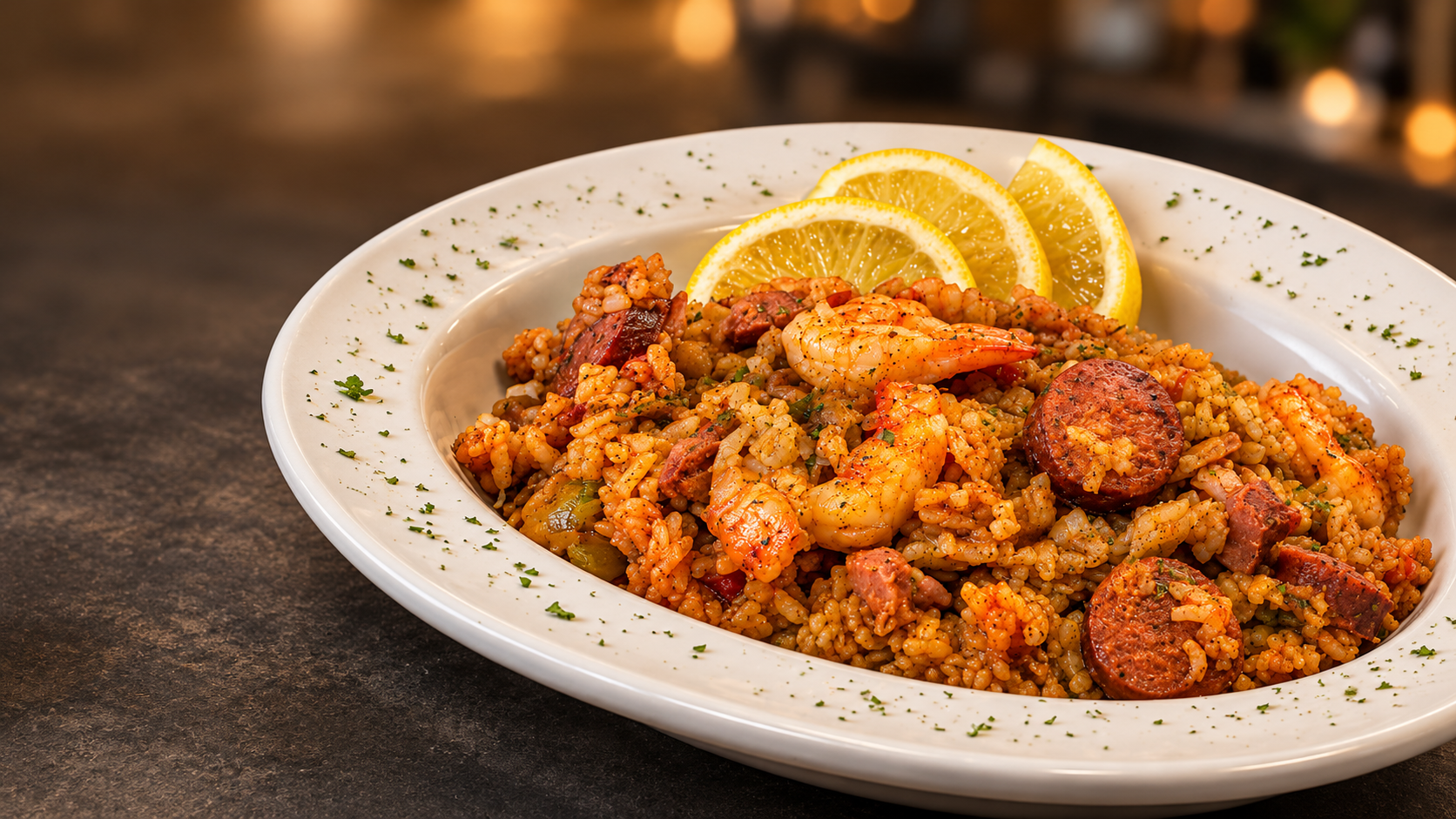
You can learn quite a bit about a family by looking at what appears on its Thanksgiving table. The turkey may get most of the attention, but the real personalities tend to show up in the side dishes. Somebody insists the dressing must be made with cornbread. Somebody else brings sweet potatoes prepared exactly the way their mother made them. There is always a discussion about the gravy, and heaven help the person who decides to experiment with a recipe everyone has loved for forty years.
In Appalachia, these familiar Thanksgiving rituals connect to something larger than a holiday meal. They reflect generations of agricultural knowledge, cultural exchange, family relationships, and the remarkable ability of food to preserve a sense of place.
The music that accompanies family gatherings carries a similar history. A hymn remembered from childhood, an old country song, or a fiddle tune learned from a relative can tell us as much about where we come from as anything served on the table.
Here in Southwest Virginia, food and music have long been two of the ways communities recognize themselves. Thanksgiving offers a particularly good opportunity to appreciate both.
The Appalachian Pantry: Where Thanksgiving Traditions Begin
Long before November arrives, much of a traditional mountain meal has already been shaped by the growing season.
For generations, Appalachian households relied on gardens, orchards, livestock, and the knowledge of preserving what the land produced. Beans were dried, apples were sliced and preserved, vegetables were canned, and meats were cured. These practices helped families eat throughout the winter, but they also created distinctive flavors and recipes that became part of regional identity.
Consider shuck beans, sometimes called leather britches. Green beans were strung and dried, then soaked and cooked when needed. Their concentrated flavor and texture made them different from fresh or canned beans. Dried apples found their way into fried pies, cakes, and other desserts. Corn became the foundation of countless meals, from everyday cornbread to the dressing that still appears on many Thanksgiving tables.
Those dishes are worth understanding beyond their association with necessity. Drying and preserving food required considerable skill, good timing, and an understanding of how ingredients behaved. Cooking them well demanded just as much knowledge.
The Smithsonian's research into Appalachian foodways also reminds us that this culinary heritage never belonged to a single group of people. Indigenous agriculture established a foundation of corn, beans, and squash. European settlers brought and adapted baking, preserving, and other cooking practices. African American food traditions contributed profoundly to Southern and Appalachian cooking, including preparations of greens, peas, and other staples.
What emerged was not one fixed Appalachian menu, but a regional food culture shaped by people borrowing, adapting, and sharing ideas across generations.
Thanksgiving tables continue that process. Some families serve country ham alongside turkey. Others have adopted macaroni and cheese, new vegetable dishes, or recipes introduced through marriage and migration. Traditions survive partly because families preserve them, but also because they make room for something new.
The Recipes That Become Family Heirlooms
An old recipe card can be a surprisingly personal historical document.
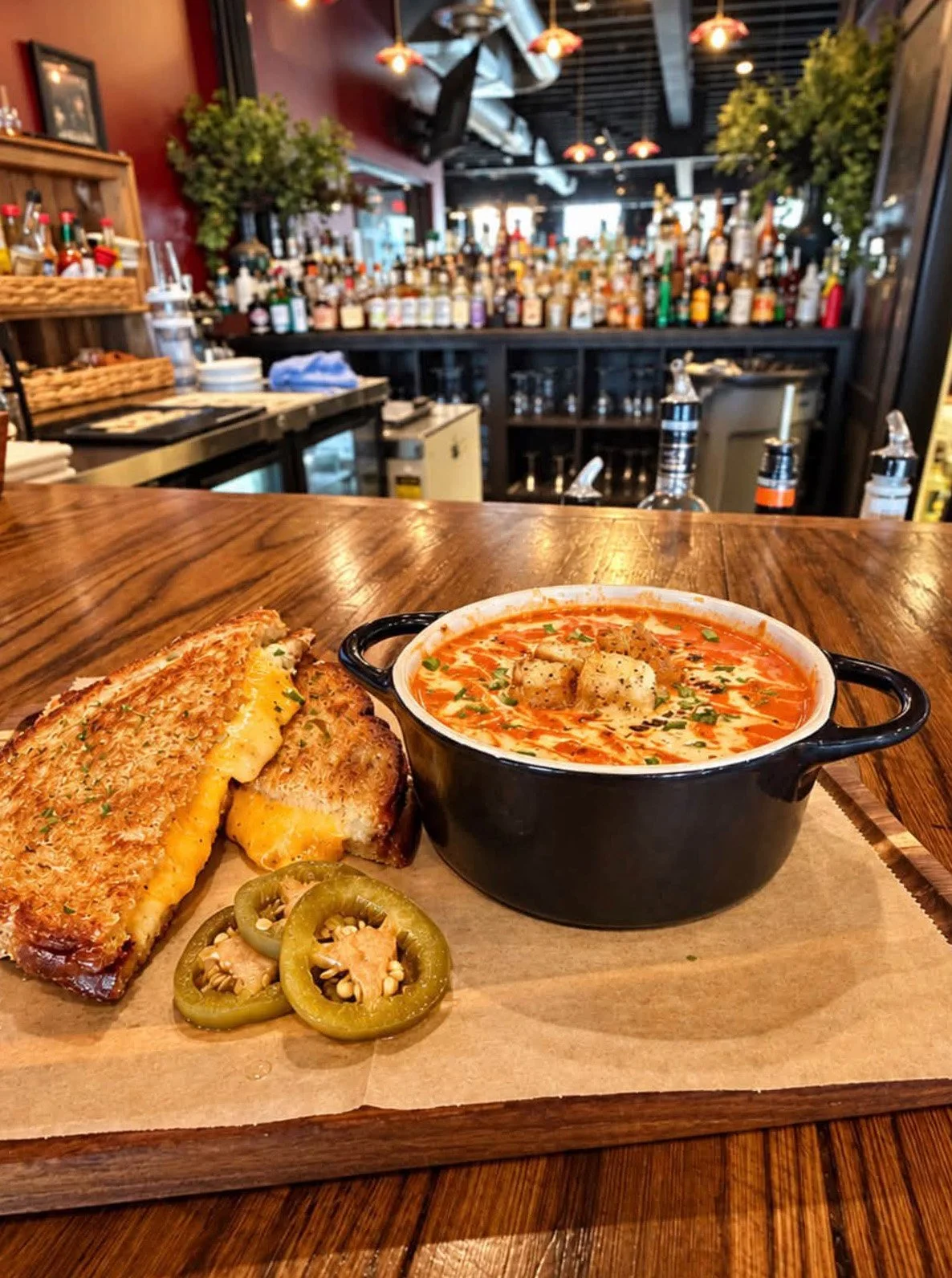
There may be a name written across the top, a stain from a long-ago spill, or instructions that make perfect sense to the person who wrote them and almost no sense to anyone else. A recipe calling for a pinch of this or a handful of that assumes the cook already understands what the finished dish should look and taste like.
That kind of knowledge was often passed along through participation rather than formal instruction. Children watched biscuits being made, helped snap beans, or learned how long apples needed to cook by standing beside someone who had done it hundreds of times.
One particularly interesting Appalachian example is apple stack cake. Traditionally associated with celebrations in parts of the region, it combines thin layers of cake with a filling made from cooked dried apples. The layers soften as the cake rests, creating something quite different from a conventional frosted cake. Its precise origins are debated, but its connection to Appalachian food culture is well established.
Not every family serves stack cake at Thanksgiving, of course. The point is that regional recipes often carry stories about ingredients, migration, celebrations, and household ingenuity that are easy to overlook when we think of them as simply old-fashioned foods.
Perhaps that is why certain dishes become so important during the holidays. Preparing them offers a way to participate in family history. The person who first made the recipe might no longer be there, but the knowledge they shared remains useful, familiar, and very much alive.
The Music Was Never Far From the Kitchen
Food is only half of this story.
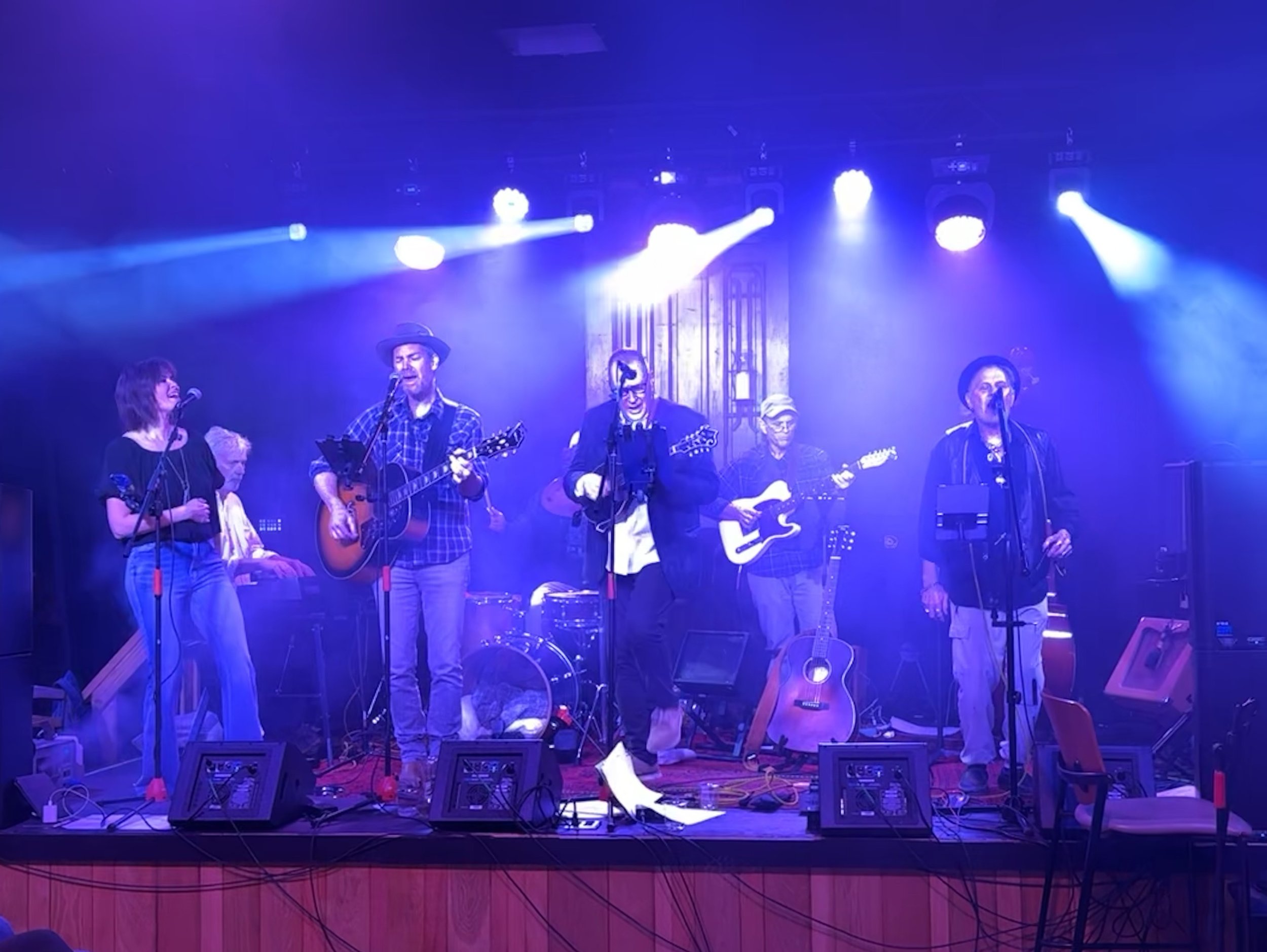
Appalachian music developed in many of the same communities and through some of the same cultural exchanges that shaped the region's cooking. Music moved between households, churches, dances, workplaces, and public gatherings, changing as people learned from one another.
The region's musical history is far richer than the familiar image of a fiddler on a mountain porch. British and European ballads mixed with American compositions and religious music. African American musicians contributed instruments, playing techniques, rhythms, and musical traditions that became fundamental to old-time, bluegrass, blues, gospel, and country music.
The banjo offers a particularly important example. Its ancestry lies in African instruments brought into American musical culture through the knowledge and craftsmanship of enslaved Africans and their descendants. Over time, banjos joined fiddles, guitars, and other instruments in the string-band traditions that would become closely associated with Appalachia.
These exchanges created musical forms that belonged to communities long before recording companies began assigning them commercial labels.
Southwest Virginia played a defining role in bringing that music to national attention. The 1927 Bristol Sessions helped introduce artists such as the Carter Family and Jimmie Rodgers to wider audiences, while musicians including the Stanley Brothers later helped establish the region's influence on bluegrass.
Yet the most important part of the tradition may be what happened outside the recording studio. Music remained something ordinary people could participate in, whether through church singing, community performances, informal gatherings, or songs passed among relatives.
That is a wonderful parallel with Appalachian cooking. A family recipe and a traditional song can both travel for generations without depending on a professional chef or a recording artist to keep them alive.
Every Family Has Its Own Thanksgiving Soundtrack
Thanksgiving doesn't have a musical identity quite like Christmas. There is no single collection of songs that everyone expects to hear.
And maybe that's part of its charm.
In one household, gospel and traditional hymns might be familiar companions to the holiday. In another, there may be classic country playing while dinner is prepared. Some families enjoy bluegrass or old-time music, while others put on soul, rock, jazz, or whatever the younger generation has recently discovered.
The variety is entirely appropriate for a region whose musical heritage has never stopped evolving.
A family may associate a particular song with someone who always sang it, played it, or insisted on hearing it. Years later, the song becomes a reminder of that person. Someone starts singing along, another family member remembers the same moment, and a simple melody suddenly carries a great deal of family history.
This is one reason music and food belong so naturally in a conversation about gratitude. Both have an extraordinary ability to preserve memories without requiring us to explain them.
A familiar taste can take us back thirty years. So can the opening notes of a song.
Gratitude Is Also About Recognizing What We Inherit
Thanksgiving naturally encourages us to think about what we're grateful for, but Appalachian traditions offer an opportunity to consider another question: What have we inherited, and what are we passing along?
The answer includes recipes and songs, certainly, but also the less obvious things.
It includes the person who taught us how to cook, the neighbor who shared what came from the garden, and the musician who took the time to teach a younger player. It includes the communities that maintain festivals, support local performers, preserve historic places, and create opportunities for people to gather.
It also includes recognizing that Appalachian culture has been shaped by many different people. Its strength has never depended on remaining unchanged. The region's food and music are evidence of what happens when traditions meet, influence one another, and become part of a shared cultural life.
We have plenty to be grateful for in Southwest Virginia, including a musical history with national significance, a distinctive culinary heritage, and communities that continue finding new ways to celebrate both.
These are not simply things to remember. They are things worth participating in.
Keeping the Table Open at Wayfarer Appalachia
At Wayfarer Appalachia, on historic Main Street in Tazewell, our appreciation for regional food and live music grows from this same understanding of gathering.
Our kitchen takes familiar Appalachian ingredients and gives them room to be both traditional and creative. Brown beans, cornbread, collard greens, country ham, blackberries, and fried green tomatoes all have places in the region's food story, and their possibilities are far from exhausted.
Our live music spaces bring another dimension to that experience. Whether it's a songwriter sharing the background of a song in the Velvet Room or a band bringing people together for a lively evening, the music creates the opportunity to experience something collectively.
The setting may be contemporary, but the underlying idea has deep regional roots. Food gives people a reason to sit down together. Music gives them something to share once they're there.
And although Thanksgiving happens once a year, those opportunities are worth creating throughout the seasons.
This Thanksgiving, Save a Place for the Stories
As Thanksgiving approaches, there is something appealing about paying a little more attention to the traditions we sometimes take for granted.
Ask where the dressing recipe came from. Find out who first made the family's favorite dessert. Let someone explain why a particular song matters to them. Better yet, invite them to play it.
There is no requirement that every dish be traditional or that every family celebrate in the same way. Some of the best traditions begin when someone tries something new and everyone decides it deserves a place at next year's table.
What matters is the willingness to share the knowledge, memories, food, and music that make a gathering our own.
From all of us at Wayfarer Appalachia, we wish you a wonderful Thanksgiving filled with good food, good company, and reasons to be grateful.
And when the holiday dishes are put away and everyone is ready for another evening out, we'll be here on Main Street in Tazewell, keeping the food coming and the music playing.
Happy Thanksgiving from Wayfarer Appalachia.
